 En
En  Ar
Ar Algeria: Four-Year Prison Sentence of Latifa Dib Condemned as Criminalization of Free Speech
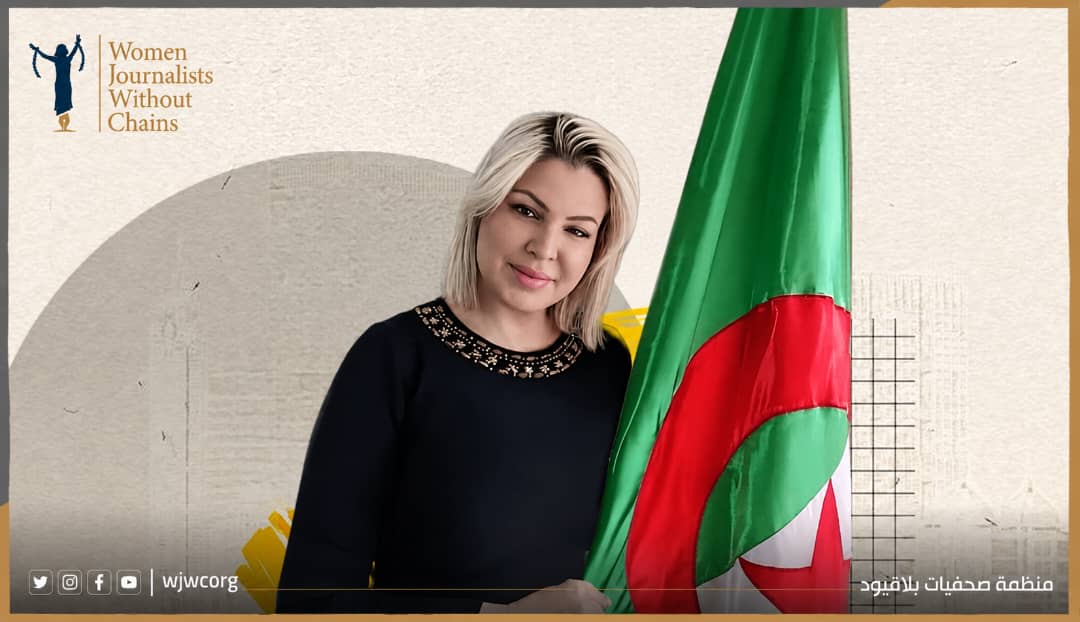
Algiers/Geneva — The Sidi M’Hamed First Instance Court in Algiers recently sentenced Algerian activist and former lawyer Latifa Dib to four years in prison and imposed a fine of 200,000 Algerian dinars.
The ruling has raised serious concern over its implications for freedom of expression and the growing pattern of criminalizing dissenting voices in Algeria.
Dib, who also heads the National Organization of Algerian Women’s Elites, faced prosecution solely for exercising her right to freedom of expression through political opinions and commentary shared on social media.
The case stems from several political posts and videos published by Dib. Notably, she released a video detailing alleged harassment and mistreatment she faced by Polisario Front officials during a visit to the Sahrawi refugee camps in Tindouf. Additionally, Dib published an open letter on her Facebook page—accompanied by images of President Abdelmadjid Tebboune and Army Chief of Staff General Saïd Chengriha—critiquing government policies and outlining her political stances. These peaceful expressions formed the sole basis of her prosecution.
Political opinions and criticism directed at authorities or any other entities should never constitute grounds for criminal prosecution or custodial sentences. The harsh verdict against Latifa Dib flagrantly violates freedom of expression.
Authorities have held Dib in pre-trial detention since June 2, 2026, and tried her under immediate appearance procedures. The court convicted her under Article 96 of the Algerian Penal Code, which criminalizes "distributing publications harmful to the national interest"—a provision that employs broad and ambiguous language specifically designed to punish peaceful speech.
This judicial overreach directly violates Algeria's international commitments, including:
- Article 19 of the International Covenant on Civil and Political Rights (ICCPR), which guarantees the right to hold opinions without interference and the freedom of expression.
- Article 9 of the African Charter on Human Rights and Peoples' Rights, which safeguards an individual's right to express and disseminate opinions.
The sentencing of Latifa Dib does not represent an isolated incident, but rather forms part of a broader, escalating crackdown on journalists, academics, activists, and human rights defenders in Algeria. Authorities increasingly weaponize penal code articles related to "terrorism," "national interest," and "state security" to transform the judiciary into a tool for silencing critics and suppressing public freedoms.
Institutional Position
The prosecution and imprisonment of Latifa Dib constitute a direct assault on the fundamental right to free expression. Peaceful political commentary, including criticism of state authorities and institutions, cannot legitimately qualify as conduct harmful to the national interest. The use of immediate appearance procedures and extended pre-trial detention in speech-related cases demonstrates a systemic pattern of judicial harassment designed to deter public discourse and silence dissent. This ruling marks a serious departure from the principles of justice and reflects a dangerous trend toward criminalizing peaceful speech in Algeria.
Demands for Action
The Algerian government must:
· Immediately and unconditionally release Latifa Dib and overturn her conviction.
· Cease the use of prison sentences and criminal prosecution as tools to punish peaceful expression.
· Amend vague legal texts, specifically Article 96 of the Penal Code, to align local laws with Algeria's international human rights obligations.
Released by:
Women Journalists Without Chains
Geneva, Switzerland — June 18, 2026