 En
En  Ar
Ar Egypt: Death of Mohamed Sayed Abdelrahim Thrusts Prison Fatalities Crisis Back into the Spotlight
The rising number of deaths inside Egyptian prisons and detention centers demands urgent attention. Competent authorities must take immediate measures to ensure the safety of detainees and launch independent, transparent investigations into all reported incidents.
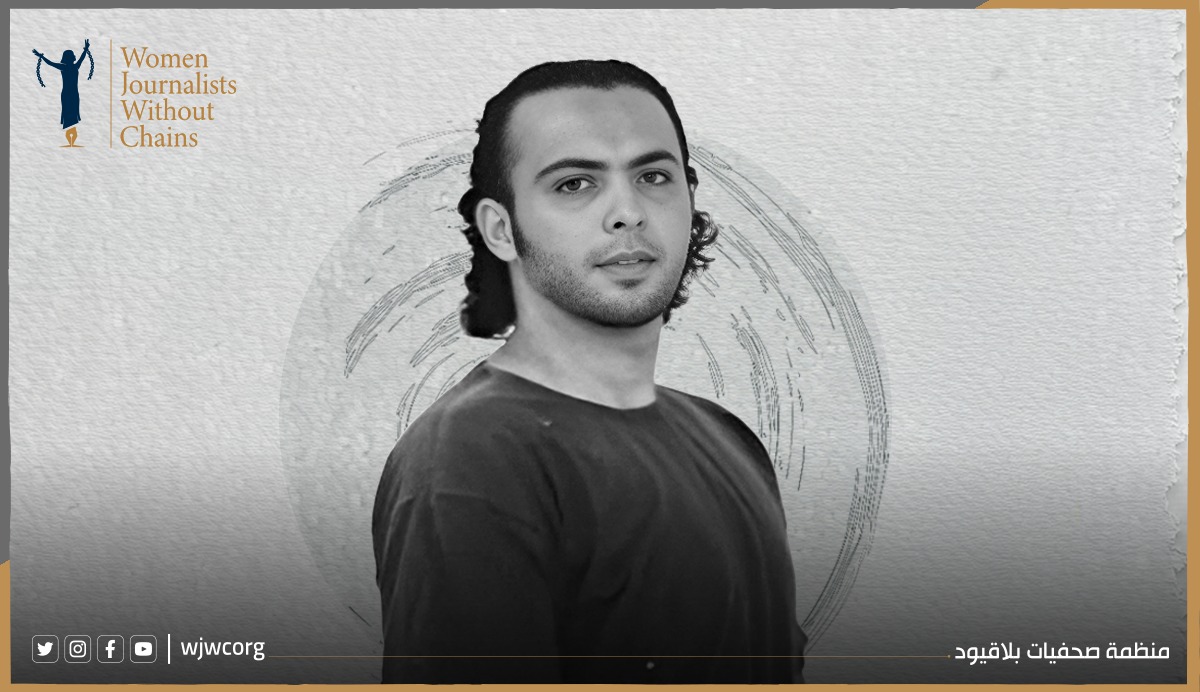
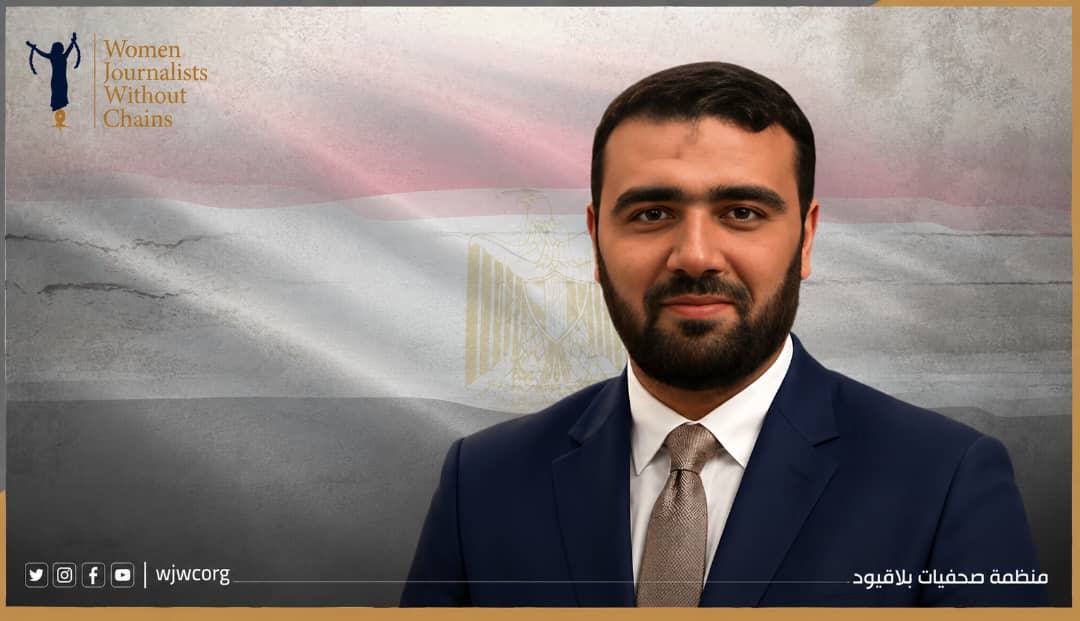
On June 17, 2026, political activist Mohamed Sayed Abdelrahim was buried following his death in Badr Prison due to severe medical neglect and a drastic deterioration in his health. Abdelrahim, 47, served as the youth committee secretary for the Freedom and Justice Party in Port Said. At the time of his death, he had spent 12 years in prison following his arrest in January 2014.
His passing follows repeated accusations against Egyptian authorities for withholding essential medical care and delaying treatment—a systematic failure linked to dozens of deaths in custody over recent years.
Surge in Deaths Among Political Detainees
According to data compiled by the Committee for Justice (CFJ), the death toll in Egyptian prisons since the beginning of 2026 has risen to 26 cases.
Over the past few months, numerous fatalities inside Egyptian detention facilities have been documented. Key cases illustrative of this monthly trend include:
- May 2026: Ahmed Hassan Ahmed Abu Zeid died in Minya High-Security Prison after a battle with cancer. His family reported he was systematically denied essential medications, leading to a fatal collapse in his health during pre-trial detention.
- April 2026: Hamdi Abdel Haq died in Minya High-Security Prison after being held without trial for a year and a half under a State Security case. His son remains detained, having served six years in prison.
- March 2026: Dr. Nabil Jamil Mohamed Ismail, a prominent professor of pediatrics at Minya University, died in custody after continuous detention since 2013.
- February 2026: Dr. Jalal Abdel Sadeq Mohamed Hassan (74) died in Badr 3 Prison following a severe health decline. He had spent nearly 12 years in prison, during which he suffered severe health complications, including paralysis and untreated chronic illnesses.
- January 2026: Defense attorney Shams El-Din Ahmed Attallah died in Tenth of Ramadan Prison, four years after being arrested for his work defending political detainees. Compounding the family's tragedy, his son, Mohamed Shams El-Din Ahmed Attallah, has been forcibly disappeared since 2018.
The continuous stream of deaths in custody constitutes a critical indicator of systemic failure in the prison healthcare system, particularly regarding detainees with chronic illnesses and critical conditions requiring specialized medical supervision.
Escalating Tensions Inside Badr Prison
Profound concern also surrounds human rights reports detailing abuses against inmates in Badr 1 Prison. Reported violations include physical assaults, humiliating search procedures, and the deprivation of basic rights for both inmates and their visiting families.
According to these reports, the prison has seen severe unrest. Inmates initiated protests against repetitive, aggressive cell searches and subsequent punitive measures. The situation escalated into clashes between inmates and security forces, resulting in numerous injuries among detainees. Meanwhile, rigid restrictions on family visits and communication remain strictly enforced.
These practices, if proven true, constitute a form of collective punishment and a flagrant violation of the fundamental rights of detainees. The Egyptian authorities bear full responsibility for the physical and psychological safety of all inmates.
Legal and International Obligations
Protecting detainees' right to life and physical integrity is a binding legal obligation for the state. This is enshrined in the Egyptian Constitution, which guarantees human dignity, prohibits torture, and mandates proper healthcare. It is further mandated by the Prison Administration Law, which dictates periodic medical checkups and the immediate transfer of sick inmates to hospitals when necessary.
Furthermore, Egypt is a state party to the International Covenant on Civil and Political Rights (ICCPR) and the Convention against Torture (CAT). It is also bound by the UN Standard Minimum Rules for the Treatment of Prisoners (The Nelson Mandela Rules), which place the healthcare of prisoners as a direct state responsibility.
Institutional Position
The death of Mohamed Sayed Abdelrahim and the mounting toll of fatalities in Egyptian custody reflect a systemic collapse in prison healthcare and a pattern of deliberate medical neglect. The repeated denial of essential treatment to detainees with chronic and critical conditions constitutes a grave breach of the state's obligation to protect the right to life and human dignity. The reported abuses in Badr Prison—including physical assaults, collective punishment, and punitive restrictions—demand immediate and transparent investigation. Sustained inaction risks normalizing a culture of impunity that erodes public trust in state institutions and violates Egypt's binding commitments under both domestic law and international human rights instruments.
Demands for Action
The Egyptian government must:
· Immediately launch independent judicial investigations into all deaths in detention centers, with findings made public.
· Form independent medical committees to review and overhaul healthcare conditions inside prisons.
· Strictly implement judicial release orders as soon as they are issued.
· Conduct a transparent investigation into all allegations of enforced disappearances.
· Align all detention facilities with international humanitarian standards to safeguard the right to life and human dignity.
Released by:
Women Journalists Without Chains
Geneva, Switzerland — June 15, 2026